

June 30, 2026

2025 Season Recap


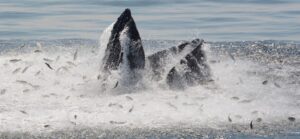
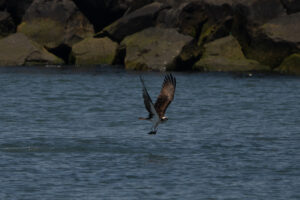
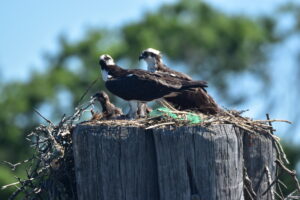
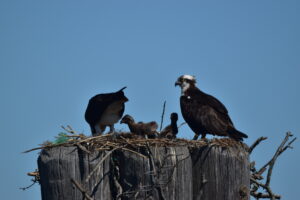
Oh what a year it has been. It flew by. We had an amazing start to 2025 with consistent Harbor and Grey seal sightings. We also had an abundance of Humpback whale activity around the mouth of Delaware Bay, making the seal trips even more enjoyable. The ten knot rule (designed to Protect North Atlantic Right whales which are critically endangered and susceptible to vessel strikes) does extend these early season trips so expectation should be for longer than three hours in the spring and fall of the year. Our Tamanends Bottlenose dolphin sightings started in late March and did not disappoint with consistency around the inlets. We had fantastic sightings up through June. In June 2025, we had a major drop in the amount of Atlantic Menhaden or Bunker which was available in the area. These little fish are a forage fish that every species in the area relies on. This drop in Atlantic Menhaden affected sightings of whales, dolphins and other species. This unexplained absence of bunker led to the failure of many Osprey nests on the East Coast, as these little fish school at the surface, making them the prime food fish for these fish hawks.
As the 2025 Season progressed, we had good sightings of Tamanends Bottlenose dolphins as well as Bottlenose dolphins. Fog made July sightings difficult, which was a rarity for the area. Normally we only have fog in the Spring of the year. In August, Fin whales moved into the areas in striking distance of our three hour trips. September to December saw a big increase in inshore Humpback whale sightings which led to some amazing trips. As usual in the fall, weather is a major factor, with wind being the deciding factor in good trips versus ok trips.
A major update to our support of science in the state of New Jersey has been our partnering with Gotham Whale. We have shared reports and individual whales with Gotham Whale for years. 2025 marks the start of a full share of our sightings data, in hopes that a better overall picture of the whale sightings in the state of New Jersey can lead to a better understanding of the species. Understanding the movements of Humpback whales is important on many levels. Knowing population density and locations can aid in directing shipping lanes. Accurate data on the number of whales in an area like New Jersey can also aid in decision making for fisheries management like the Atlantic menhaden, which is a commercially fished species.
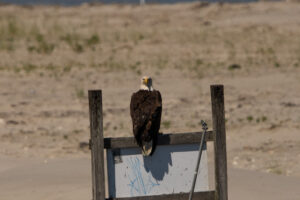
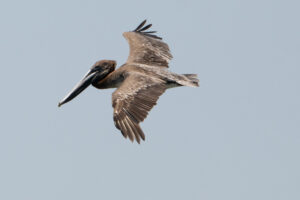
There are many who feel the Atlantic menhaden is overfished. A very large fleet in Reedville, VA, Omega, catches these little fish up and down the East Coast, employing a fleet of planes to target the species. Recent data on the species has been said to be flawed, but under scrutiny, the data held up. It is worth noting that many species need Atlantic menhaden in their diet. Humpback whales eat over 3000 lbs of Atlantic menhaden daily, per whale. Tamanends Bottlenose dolphins consume 15 lbs per day. Striped Bass, Bluefish, Bluefin tuna, all eat these fish too. Thresher, Sand Tiger, Black tip, Mako and other sharks all need Atlantic menhaden too. The Osprey, Bald eagle, Northern gannet, Brown pelicans, and other birds all eat Atlantic menhaden too. Some have called Atlantic Menhaden the most important little fish in the sea.
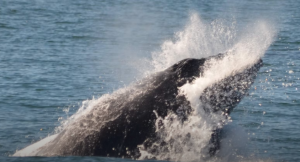 Atlantic menhaden, or bunker as we call them here in Cape May, New Jersey ae considered to be the cornerstone of the Atlantic marine ecosystem. This forage species has many roles. They are the ultimate ocean filter. Menhaden are filter feeders that swim with their mouths open, consuming vast quantities of phytoplankton and zooplankton. Since they do this they clarify the water and control harmful algae blooms which can occur in the Chesapeake and Delaware Bays, which are vital nurseries to many other fish species. This also improves the water quality by removing excess nutrients, and turning those nutrients in energy that supports the entire coastal ecosystem. This becomes a vital link in the food web to nearly every major predator on the East Coast. Without abundant menhaden, predatory populations face starvation, disease, and breeding failures.
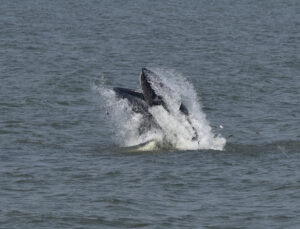 Now, because Atlantic menhaden make up the largest landings by volume on the Atlantic Coast, menhaden are also a cornerstone of coastal economies. The are preferred bait for many different species including Blue Claw crabs and lobster. They are harvested and processed commercially into fishmeal, fish oil, omega-3 supplements, and agricultural fertilizer. Healthy menhaden populations directly support recreational sportfishing, and coastal ecotourism like whale and dolphin watching. Because of the ecological and economic importance of the Atlantic menhaden, the species is highly managed and monitored by the Atlantic States Marine Fisheries Commission.